
.jpg)
Color is the soul of design, and inspiration for great color palettes often lies in every frame of classic films. Those unforgettable on-screen images have long used color to convey emotional narratives and aesthetic expressions, further becoming an inexhaustible source of inspiration for designers. Today, we break down the color logic of 6 classic movies to help you unlock design schemes that can be directly reused.
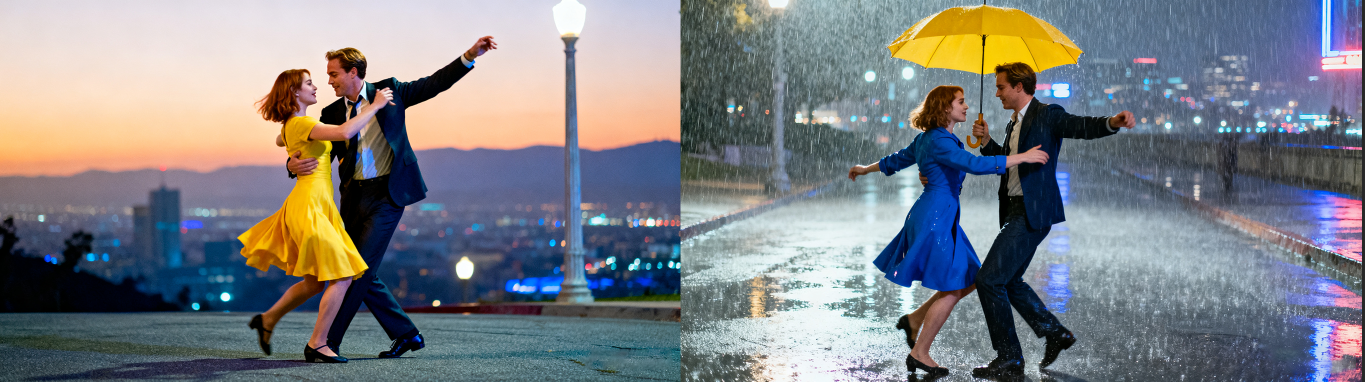
1. Tension of Complementary Colors: The Neon Narrative of La La LandCore Color Palette: Bright Yellow + Cobalt BlueDesign Logic: As one of the most classic complementary color combinations, bright yellow symbolizes Mia's passion for pursuing her dreams, while cobalt blue represents Sebastian's struggles with reality. The contrast between warm and cool tones creates a strong visual focal point.Reusable Scenarios: Brand key visuals, event posters — use high-saturation complementary colors to convey vivid emotions and a sense of storytelling.
2. Monochromatic Aesthetics: The Immersive Atmosphere of The MatrixCore Color Palette: Emerald Green Monochromatic GradientDesign Logic: The tonal transition from light green to dark green creates the eerie and alienating feel of the virtual world. The uniformity of the monochromatic scheme allows the audience to quickly immerse themselves in the scene.Reusable Scenarios: APP interfaces, minimalist picture books — use monochromatic gradients to create a professional and layered visual experience.

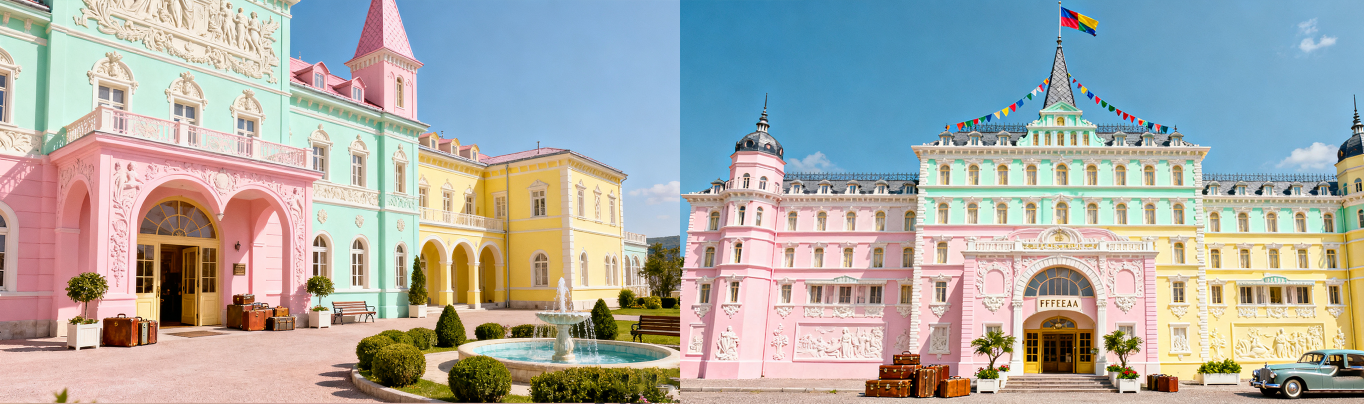
3. Macaron Color Symphony: The Symmetrical Aesthetics of The Grand Budapest HotelCore Color Palette: Pale Pink + Mint Green + Cream YellowDesign Logic: The low-saturation macaron color palette, paired with a rigorous symmetrical composition, creates a retro and dreamy Art Deco-era texture. Color here becomes a visual symbol of time.Reusable Scenarios: Cultural and creative products, maternal and infant brand designs — use soft color palettes to convey a warm and healing brand tone.
4. Retro Warm Tones: The Metaphor of Hope in The Shawshank RedemptionCore Color Palette: Earth Yellow + Ochre BrownDesign Logic: The warm earth tones echo the humanity within the prison, contrasting with the free imagery of blue skies and white clouds—subtly metaphorizing hope amid despair.Reusable Scenarios: Historical exhibition halls, retro brand VIs — use warm tones to evoke nostalgic emotions and a sense of trust.

5. Surreal Color Clash: The Pigment Carnival of The FallCore Color Palette: Warm Gold + Ochre Red + Cobalt BlueDesign Logic: A color feast filmed across 17 countries — warm gold represents the brilliance of fantasy, while ochre red and cobalt blue outline the tension of adventure. The switch between black-and-white (for reality) and color (for fantasy) amplifies the emotional impact.Reusable Scenarios: Art exhibitions, streetwear brand designs — use diverse clashing colors to showcase creativity and individuality.

6. Contrasting Color Game: The Expression of Desire in Moulin Rouge!Core Color Palette: Scarlet + Jet BlackDesign Logic: Scarlet symbolizes love and desire, while jet black represents the emptiness behind extravagance. The strong contrast forms a visual game of power and emotion.Reusable Scenarios: High-end dinner materials, beauty product packaging — use contrasting colors to convey a luxurious yet dynamic brand image.

Practical Guide for Designers: 3 Steps to Build a Film Color Palette Library
1.▪Film Selection & Positioning: Choose films with emotions matching your brand tone (e.g., The Grand Budapest Hotel for a healing vibe, Interstellar for a tech feel);
2.▪Color Palette Extraction: Use color-picking tools to extract the main colors, secondary colors, and accent colors from frames, following the 60-30-10 color rule;
3.▪Scene Adaptation: Adjust saturation and brightness to fit different output scenarios such as printing and digital screens.
Films tell stories through color, and design conveys emotions through color. These screen-proven color schemes have long transcended artistic boundaries to become reusable design assets.Save this guide—next time you hit a wall with color matching, take a look back at those breathtaking moments on the silver screen.
Contact Us
Leave your contact information, and we will arrange a representative to get in touch with you.