
.jpg)
In modern industrial exhibitions, people used to focus solely on the interior of factories—machine operations, production processes, and product manufacturing. However, today, an enterprise’s strength no longer stems merely from its single production capacity, but from the rational geographical layout of the entire industrial chain. When we combine 3D industrial animation with 3D spatial maps, we not only present a production process, but also an industrial strategy; we not only showcase a single factory, but also the industrial layout of a region or even a country.
This presentation method is particularly suitable for the Middle Eastern market, which has grand visions and regional strategic layouts—a region that values both the scale of architecture and engineering, and the expression of business narratives and national status.

CMuse 3D Animation Works Project Display Images
Traditional industrial animations focus on production details, answering questions such as:
But when we incorporate maps into the presentation, we can answer more grand-scale questions:
For example, if the presentation of a new energy factory only includes equipment and internal production scenes, it is like showcasing an operating machine. However, when the camera pulls back from the factory equipment to reveal solar energy collection bases, wind farms, energy storage centers, power grid transmission channels, and major energy-consuming cities, the presentation is no longer just about "producing energy", but about "driving the future power of the country and promoting the development of a green civilization".
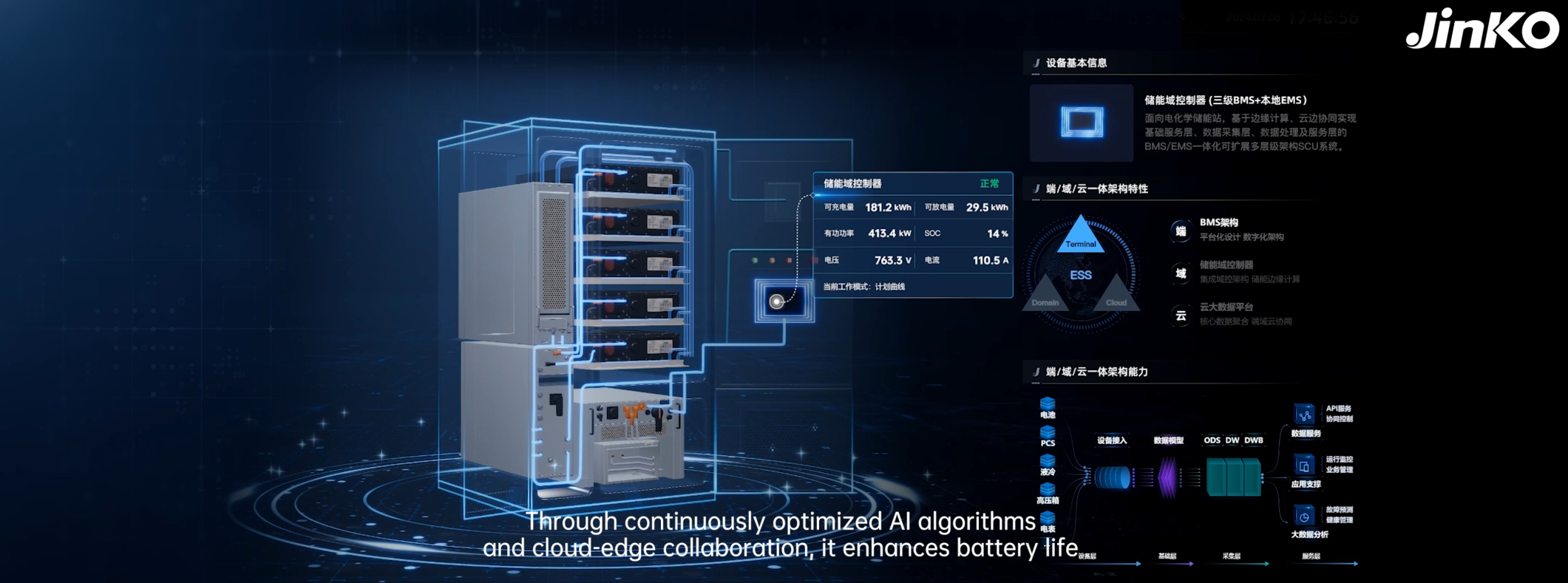
CMuse 3D Animation Works Project Display Images
In the manufacturing industry, traditional presentation methods often remain limited to production workshops and mechanical equipments. The combination of 3D industrial animation and 3D key maps allows the audience to understand not just a single manufacturing process, but the complete industrial ecosystem.
Through this visual combination, enterprises no longer just showcase "we manufacture products", but "we control the supply chain nodes from raw materials to markets".
This brings a qualitative change to information dissemination:
When 3D industrial animation focuses on internal processes and key 3D maps present external connections, a complete visual language is ultimately formed: the enterprise is not only a producer, but also a coordinator of the industrial chain and a controller of resources.
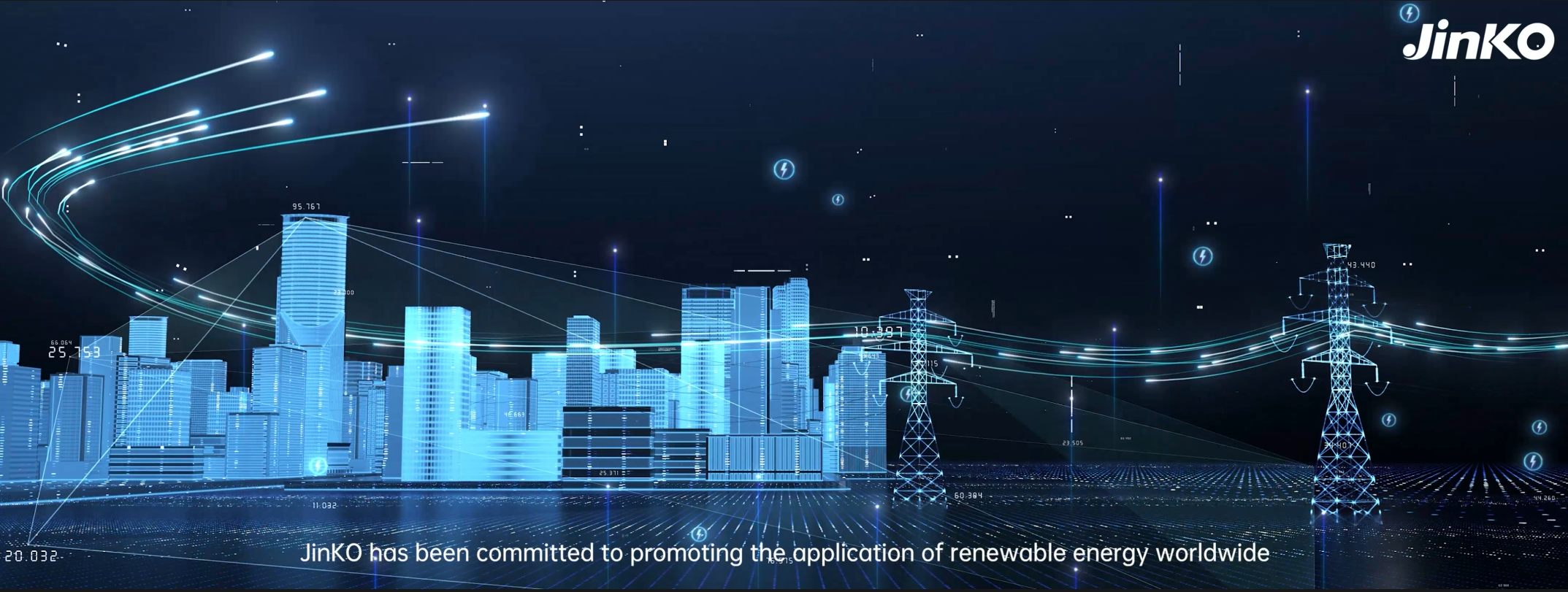
CMuse 3D Animation Works Project Display Images
The integration of maps and industry will further develop into:
By then, presentations will no longer be records of the past, but reflections of:
Maps will no longer be backgrounds, but nervous systems; industrial animations will no longer be demonstrations, but real-time expressions.

CMuse 3D Animation Works Project Display Images
When 3D industrial animation is combined with 3D maps, we create not just a visual effect, but a business expression method, a strategic presentation method, and an industrial narrative method from a national-level perspective.
We can showcase to the world:
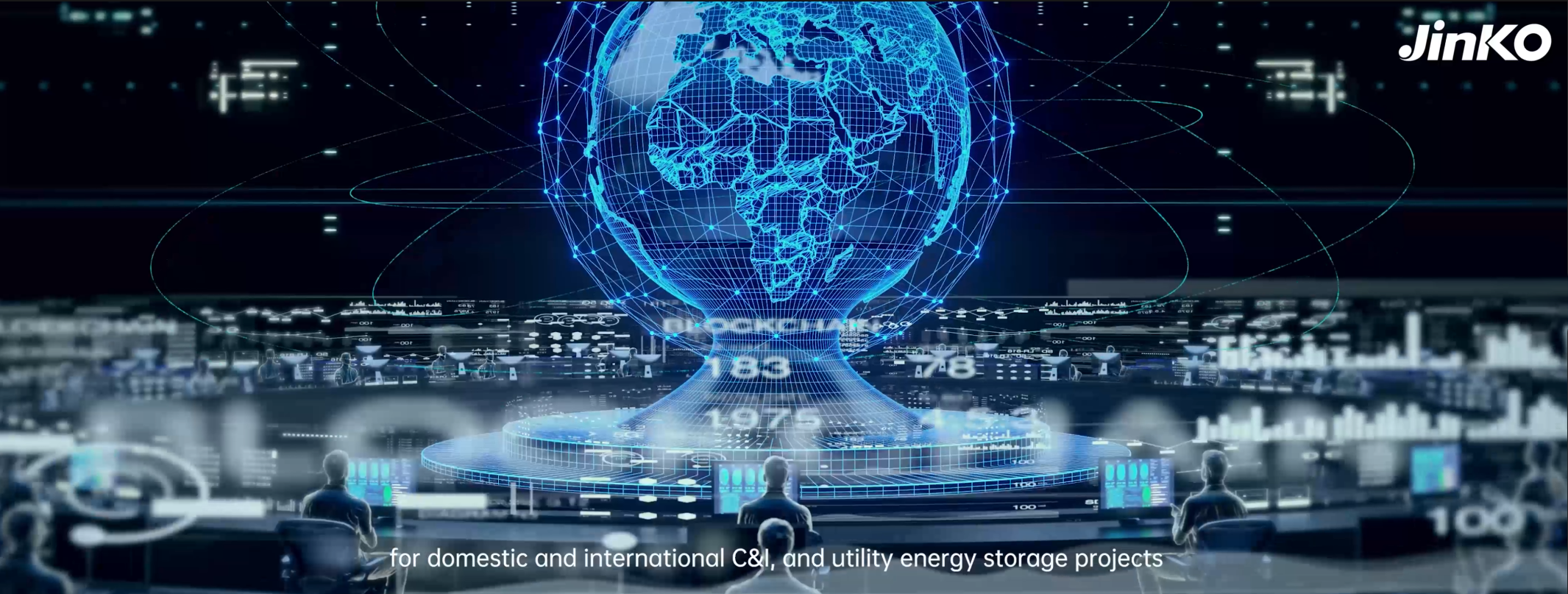
CMuse 3D Animation Works Project Display Images
This is an expression of strength, and more importantly, a declaration of the future.
In the Middle East—a land of continuous construction, expansion, and transcendence—this visual narrative method will become the most powerful language for industrial stories.You are welcome to further explore the professional service system of CMuse3D. We look forward to your messages and inquiries. With high-quality standards and professional service levels on par with European counterparts, we provide you with premium presentations for your projects at a price that is only one-third of that in the European market.
Contact Us
Leave your contact information, and we will arrange a representative to get in touch with you.